
Guide for Choosing the Right Industrial Displays and Monitors for Various Applications

Posted on: September 7, 2021

Industrial Displays and MonitorsIndustrial display monitors are as ubiquitous in everyday business functions as the use of POS systems. There’s no denying that every modern business, regardless of size or market experience, needs reliable and durable industrial touchscreen computer monitors to thrive. The real question is how do you know that you’re making the right technological decisions for your business? What qualities are you looking for in industrial LCD displays or monitors?

State-of-the-art displays can be customized to meet a wide range of application and environmental requirements. As long as you clearly define your specific functionality and durability needs, there’s no reason why you can’t find a network of industrial computer monitors that go above and beyond your business expectations. In this article, we outline a few important factors you should take into consideration to guarantee that you’re choosing the right industrial display monitors for your business.

Who Uses Industrial Display Monitors?

The better question here is who doesn’t use industrial display monitors? The reality is that we live in an extremely digital world where everything is done online. The COVID-19 pandemic has only amplified the need for more sophisticated digital displays, softwares, and network connectivity across a multitude of online platforms and communication systems.

Every industry from logistics to retail, healthcare, hospitality, and government agencies have all adapted complex high-tech systems to interact with customers and internally amongst various employees and departments. Industrial display monitors are a crucial component of every organization’s core functionality.

How to Choose Industrial Displays and Monitors for Your Business?

Perhaps, the best method of choosing the right rugged and advanced industrial displays and monitors for your business is to first take a look at what industry standards define technology for organizations like yours. Start by examining the types of technology your competitors are using and determine the level of success they’re experiencing. After thoroughly researching various industrial LCD and LED displays and monitors, measure your findings against the specific stipulations and technological requirements of your business.

Consider factors such as the size of your business, your customer base, your sales and expansion goals, and whether or not you have the ideal infrastructure or setup for certain types of industrial monitors or devices. Once you’ve determined the specifics of these factors, you can start looking into which industrial displays and monitors fit within the parameters of your business’s technological needs and accommodations.

For additional support, you can also consult with a reputable and experienced managed IT service that can make appropriate device and monitor recommendations based on your existing or prospective infrastructure design. When it comes to public sector environments, it’s important to choose devices and displays that are tough and capable of withstanding all kinds of usage and weather conditions.

After all, industrial displays and monitors are an important investment that contribute to the success of your business and propel it forward into the future.

What Kind of Industrial Displays Do You Need?

Once you’ve pinpointed the exact technological requirements and infrastructure for your business operations, the next question to consider is whether you need LCD or LED monitors. Keep in mind that the exterior of the monitors (chassis) is just as important as the interior hardware and software.

Industrial-grade monitors are usually made of a combination of materials including optically bonded glass for supreme durability, scratch, and crack resistance as well as metals like aluminium and stainless steel for ultimate protection. Many of these devices are designed and manufactured for industrial and commercial indoor or outdoor use for ultimate longevity.

Based on your preferences, business requirements, and budget, you can choose from a number of device configurations including LCD, LED, plasma screens, and OLED. LCD and LED are the two most common types of monitors and displays.

LCD stands for liquid crystal display. Using a combination of colour pixels and backlighting for optimal image viewing and colour contrast, LCDs are typically very heavy and large. This makes them slightly more inconvenient to transport and install, but they come at a lower price than LEDs.

LED stands for light emitting diode. Unlike LCDs, LEDs use colourful semiconductors that emit light when they come into contact with electric currents, producing high-quality and crystal clear images. LEDs have a slightly higher upfront cost than LCDs, but they’re more energy efficient and therefore, reduce your carbon footprint and energy bill.

Both types of industrial displays have a lot of advantages to offer for your business, namely that that they allow you to perform modern technological functions such as data entry, transaction processing, and other backend operations with much more ease and efficiency than doing them manually.

Consider Installing Industrial Touchscreen Monitors

Industrial touchscreen monitors are an effective and affordable method of optimizing various business applications and functions. There are a number of touchscreen options you can choose from based on your needs and preferences:

  • Capacitive touchscreens are the ones that are most commonly used for industrial applications because they rely on conductive materials or objects to function such as direct touch from human fingers. Touching the screen at any given touchpoint creates an immediate electrostatic charge that automatically interprets the required command and translates it to the device’s main touch control panel which then performs the function. The only limitation with this type of device is that it can only respond to conductive materials.
  • Resistive touchscreens are also commonly used for different applications because they have a much broader range of touch control options than their capacitive counterparts. These touchscreens come in 4, 5, 6, 7, and 8-wired models to accommodate different types of touches. They can be used with direct touch, a stylus pen, or special touchscreen gloves.

Check out one of our previous blog posts to learn more about capacitive, resistive, and other types of industrial touchscreen displays and monitors in greater detail.

Which Type of Industrial Panel Mount Works Best for Your Device?

You have three choices when it comes to mounting industrial display monitors:

  • Bracket
  • Wall
  • A combination of both

All industrial monitors and displays consist of predesigned holes that are in compliance with the VESA protocols for safe and sturdy display mounting. Depending on the specific configuration of your display, you can choose a panel mount, open frame, flush mount, or rack mount.

Nauticomp Inc. designs advanced, affordable, and rugged industrial displays and monitors that are equipped to handle a variety of environmental, weather-related, and usage circumstances. Our displays come with a number of useful accessories and gadgets that amplify the user experience and ensure easy integration with your existing system. Contact us today to learn more about our products or to place an order.


Are IPS Monitors Good for Gaming?

Posted on: August 20, 2021

IPS Displays for Gaming

Technology aficionados and gamers alike have no shortage of advanced LCD monitors to choose from when it comes to superior sound and visual quality. For many years, TN and VA monitors dominated the gaming industry, but now there’s a new sheriff in town: IPS displays. IPS display technology boasts bigger, better, and brighter colour contrast, visual and sound quality, and more robust viewing angles among other attributes than its predecessors. Modern games require an LCD display that can keep up with their advanced components to keep gamers satisfied.

Here are the most common pros and cons of IPS displays.

Pro: Faster Response Times

One of the biggest advantages of IPS LCD panels is that they boast incredibly fast response times with limited to no lagging. When you’re in the throes of moving through a virtual multiplayer shooter or adventure game, fast response times are incredibly important to completing your objectives. Currently, IPS screens clock in at 4ms as opposed to the formerly impressive 8ms. Shaving 4 seconds off the response time may not seem that impressive to the average person, but to amateur and professional gamers it makes a big difference in the gaming experience.

Con: Some Backlight Bleeding

IPS LCD monitors are notorious for what’s known as exhibiting the “IPS glow”, otherwise known as backlight bleeding. Backlight bleeding occurs when the light source from the back of the screen leaks around the edges, creating an uneven brightness effect. Unfortunately, there’s no way to repair this issue. Although the screen can still be used and function normally otherwise, it can be a little bit off-putting or distracting for serious gamers. 

The good news is that backlight bleeding is the only commonly known flaw that plagues IPS displays.

Pro: Extensive Cost-Efficiency

The demand for higher quality gaming equipment has increased IPS display production lines, forcing manufacturers to find more cost-effective solutions to produce these types of monitors. As a result, IPS monitors are incredibly affordable for many consumers compared to other gaming screens currently on the market.

Pro: Quality Images with a High Colour Gamut

Contemporary gaming demands the utmost image quality, brightness range, and colour contrast for a better gaming experience and output. Despite a few minor kinks like backlight bleeding issues, the majority of IPS display technology is capable of exhibiting superiorly vivid colours of which other screens aren’t capable. Gamers can enjoy consistently bright onscreen colour and visual clarity without overwhelming motion blur as they move through their game of choice.

IPS LCD monitors also have 178/178 degrees of brightness on both horizontal and vertical axes for the most optimal visual trajectories. 

Looking for a high-quality and reliable IPS industrial display for gaming? Nauticomp Inc. is one of the leading designers and distributors of advanced IPS LCD panels in North America. Choose from a line of existing or custom-designed displays that are perfect for all of your gaming needs. Our LCD displays and monitors are equipped with a number of important features like infrared lighting, sunlight readability, as well as dust and waterproof capabilities. Contact us today to learn more or to place an order.

Why Is It Important to Have a Good User Interface in a Rugged Military Display?

Posted on: August 13, 2021

rugged military display

Whether they’re on land, in the sea, or airborne, military operations are typically fraught with all kinds of potentially dangerous environmental conditions and situations that not only put the lives of military personnel at risk, but can also seriously damage inept technology. Rugged military displays are designed and constructed to be able to withstand a wide range of environmental impacts, vibrations, shock, and external elements such as water, dust, or even snow in inclement weather conditions. But the importance of UI (user interface) in a rugged military display also can’t be underestimated. 

When things get hairy, military operatives need to know that they have durable and easy to use rugged touchscreen military displays at their disposal that they can rely on during their most challenging moments. Having access to state-of-the-art, high-performance, and intuitive UI is imperative to the successful completion of a mission.

Best Designed Rugged Military Displays

There are several key factors that indicate whether a military LCD monitor or display can be deemed suitable for the often grueling environments to which they’ll be exposed. Rugged LCD monitors should be aptly equipped to withstand a wide range of environmental elements and situations without resulting in lagging or system malfunctions. Oftentimes, military personnel are faced with extremely tough situations that require quick thinking skills and the ability to take action immediately. As a result, rugged LCD displays should be equipped with the following features to facilitate the successful completion of military operations.

  • Dust, dirt, and waterproof chassis
  • Chemical resistance
  • Vibration and shock absorption/resistance
  • Touchscreen capabilities (preferably capacitive)
  • Abrasion resistance to maintain full screen visibility and functionality
  • Electro Static Discharge (ESD) or Electro Magnetic Interference (EMI)
  • Broad operating temperature range
  • Resistance to outdoor UV exposure 
  • Shatterproof bezel and chassis
  • Sunlight readability in extreme conditions

Intuitive and Easy to Navigate Layout

In times of extreme duress, military LCD display operators don’t have time to fiddle around with their technology. They need an intuitive user interface and system layout that’s easy to navigate, so that they can quickly find the data they need to complete their mission as quickly as possible and lead their troops to safety. 

Rugged military touchscreen LCD monitors have enhanced technological features that facilitate covert visual communications, multiple data input points, military-grade video display functionality, and other important intuitive applications that maximize the device performance in dire conditions.

Night Vision Imaging Systems (NVIS) Compatibility

A fully integrated NVIS that includes NVGs is absolutely critical to any technology that’s involved in military operations. Covert military operations oftentimes take place under the dark guise of nightfall. Therefore, military-grade rugged touchscreen LCD displays need to be able to automatically adjust to low and no lighting conditions to ensure maximum usability and navigability at all times. 

Modular Design

Another critical feature that can make or break a military mission is adaptability. Military displays need to be lightweight, durable, and easy to assemble or disassemble at a moment’s notice for rapid getaways as needed. Rugged touchscreen military LCD monitors and displays have a unique modular design that makes them easy to store and carry on the go.

Nauticomp Inc. is one of the leading developers and distributors of advanced military LCD monitors and displays in North America. Our custom-tailored designs include whatever specific features your military operations value the most to help make your missions as successful as possible. Contact us today to learn more. 

Why High-Brightness TFT Displays Are Popular

Posted on: August 5, 2021

Industrial LCD MonitorsTFT displays are becoming an increasingly commonplace fixture in everyday personal and professional technological use. This type of LCD display technology is ideal for a variety of devices including smartphones, tablets, TVs, and even storefront displays. 
There are a lot of noteworthy pros and cons of using high-brightness TFT displays for various applications. Keep reading to learn about why TFT displays have become so popular in recent years. 

Sunlight-Readable Display

Perhaps one of the biggest attributes of using this type of industrial display for your business is that it has the ability to maintain full onscreen readability regardless of current lighting conditions. Equipped with a bright backlight and special polarizer, high-brightness TFT displays can offset the effects of ambient lighting conditions and retain their screen visibility at all times, making them ideal for both indoor and outdoor use.

Create High-Quality Images

Designed specifically for flat screen devices such as TVs, phones, tablets, and advertising displays, TFT displays have an incomparably high resolution that makes them the top LCD monitor of choice for a variety of applications. In addition to excellent readability in all lighting conditions, TFT displays also have an incomparably high resolution that allows them to deliver crystal clear images and text that aptly represent your brand and maximize the viewing pleasure of users.

Provide Thin-Film-Transistor Displays for Various Industries

Industrial applications require a much higher screen visibility and usability standard than consumer-grade devices. That’s why so many industries are turning to TFT displays for their professional requirements. Consumer displays aren’t made to last as long as commercial-grade displays. This is a known fact. For that reason, various industries such as agriculture, textile, transportation, communication, etc. all rely on TFT displays for long-lasting high-quality performance at every turn. 

TFT displays come in a variety of sizes, user interfaces, and configurations that are designed to suit the environmental requirements of various industries. Not only can they be custom-tailored to meet specific industrial standards, but they’re also guaranteed to last longer and yield a better return on investment than commercial-grade displays that have a lower upfront cost.  

Perfect for Outdoor and Window Displays

In light of the COVID-19 pandemic, many businesses have been forced to adopt new marketing and communication techniques to continue reaching out to customers. With limited store capacities in place, outdoor and window industrial displays have been a communication saving grace for businesses. TFT displays are the top monitor of choice because they offer high-performance sunlight readability and easy-to-use interface in all weather and lighting conditions. 

Why Choose High-Brightness TFT Displays from Nauticomp Inc.?

Nauticomp Inc. is a first-rate renowned provider of high-performance LCD monitors and industrial displays. We’ve served numerous businesses across North America, providing them with sophisticated LCD display technology that’s custom-tailored according to their industrial standards and the specific requirements of their operations. Our LCD monitors are equipped with a number of important computing features including sunlight readability, infrared lighting, as well as dust and waterproof capabilities. Contact us today to learn more or to place an order. 

What Are Some Pros and Cons of IPS Displays?

Posted on: July 23, 2021

IPS displaysDifferent types of LCD displays can perform different functions based on your specific technological, performance, and application requirements. Although twisted nematic (TN) LCD displays were once the reigning champions of the tech world, this technology was incapable of keeping up with the times and had far too many limitations. 

Therefore, in the mid-1990s, a new type of LCD monitor was introduced, one that picked up the slack and offered far more advanced performance functionality than its predecessor. In-plane switching (IPS) displays have taken LCD monitors to a whole new level by expanding their applications into various mediums that were otherwise not possible.

Types of IPS LCD Technology

In a previous article, we discussed using IPS display technology for a variety of different applications and the most important factors that should be considered when choosing a display for your needs. IPS LCD panels and monitors use perfectly aligned liquid crystals that form a parallel pattern to produce bold colours and onscreen colour contrast. 

Here’s a brief overview of the different types of IPS displays. 

  • Twisted nematic (TN) were the first IPS LCD monitors on the market in the early 1980s. They consist of nematic liquid crystals that are suspended between two plates of polarized glass. 
  • Vertical alignment (VA) LCD monitors have incredible colour contrast and image depth because their crystals are vertically aligned and move into a horizontal position to let light shine through. 
  • Organic light emitting diodes (OLED) are commonly used in computer screens, smartphones, handheld gaming devices, and television screens. 
  • In-plane switching (IPS) monitors are the most prevalent type of LCD display of all. IPS LCD display technology is capable of depicting excellent picture quality from all viewing angles along with superior colour contrast. 

Of course, IPS displays aren’t completely perfect for every application. In fact, they’re primarily use for professional applications that require the utmost precision and pristine image quality. Their unmatched and expansive viewing angle capabilities include graphic design, video editing, photo editing, and CAD engineering to name a few. 

Now let’s dive into the pros and cons of IPS displays, so that you can make an informed purchasing decision.

Pros of IPS Displays

Excellent Colour Reproduction

Featuring 8-bit RGB colour depth, IPS panels can reproduce over 16 million different colours, making it the ideal choice for professional applications that require detailed colour compositions. 

Wide Viewing Angles

IPS displays also boast incredibly wide viewing angles to complement their excellent colour reproduction and composition capabilities. This is just one of many reasons that IPS screens are a major improvement on TN panels. IPS screens can be comfortably viewed from virtually any angle without limiting or compromising the image quality, whereas TN screens can only be viewed head-on.

Better Sunlight Visibility

IPS LCD displays also boast far superior sunlight visibility and readability than other displays. Even under extremely bright and harsh natural or artificial lighting conditions, IPS displays maintain clear visibility and readability without interruption. This is made possible by high-quality backlighting combined with superior colour reproduction and viewing angle capabilities that the other abovementioned screens lack. For instance, TN panels have limited colour depth and therefore poor visibility in direct sunlight and strong lighting conditions.

Longer Lifespan

IPS displays generally have a longer lifespan than TN panels; however, the components of the latter are a lot easier and more cost-effective to reproduce in the long-term. The best option depends on the applications for which they’re being used and under what circumstances. TN panels tend to have a faster response time than IPS and VA displays combined, making them the ideal choice for gamers. 

As mentioned, however, IPS panels are more commonly used for professional applications that demand the utmost image quality and convenience. Although they have a lower upfront cost, TN panels need to be replaced more frequently. IPS panels, on the other hand, are the better long-term investment for freelancers because they have a longer lifespan.

Cons of IPS Displays

Slower Response Times

TN displays have a much faster response time than IPS panels. This is the main reason that gamers typically prefer the former over the latter. Slow response times translate to a lot of lagging as well as increased motion blur which can be a major distraction and diminish the quality of the gaming experience. 

Of course, the importance of the response times depends on the type of gamer you are. Shooter and fantasy games that rely on fast response times for pacing and to maintain the image quality of the game are better equipped with TN panels, but for other types of gaming IPS displays could suffice.

Expensive

IPS displays have a much higher upfront cost compared to the other types of monitors mentioned here. However, the spectacular image quality, unparalleled viewing angles, and the longer lifespan are all pros that outweigh and even justify the upfront costs. Plus, since IPS displays last longer and don’t need to be replaced or repaired as often as the other screens, you could actually end up saving money in the long run.

Limited Contrast Ratio

Due to the fact that IPS LCD displays have a far better colour depth than TN panels, they also have a superior contrast ratio. However, IPS displays aren’t necessarily the crème de la crème in this regard. More accurately, they fall somewhere in the middle. If you’re looking for a screen with an excellent or the best contrast ratio, then VA displays are your best choice.

Inefficient Power Consumption

Another disadvantage of IPS displays is that they consume power inefficiently compared to their counterparts. On average, IPS displays need about 15% more battery power than TN panels, which are suitable for battery-operated low-power devices. Additionally, IPS panels require stronger backlighting to function at all times to maintain a standard level of display clarity, which can eat up more battery power. 

Best Uses of IPS Displays 

  • Colour-critical professional applications
  • Technology enthusiasts
  • Higher level business and home use
  • Gamers who value image quality over response time 

Nauticomp Inc. is one of the leading designers, manufacturers, and distributors of custom industrial displays in North America, including IPS monitors that are ideal for a wide range of applications. Contact us today to learn more or to place an order. 

Factors to Consider when Selecting IPS Display Monitors

Posted on: July 2, 2021

 IPS Display Monitors There are four types of LCD monitors currently on the market: TN, VA, OLED, and IPS. Each LCD display type has its own set of unique features that make them suitable for various applications, uses, and technical preferences. Today, we’re going to focus on the attributes of IPS displays and certain important factors that should be considered when selecting IPS display monitors for your specific needs.

What Is an IPS Display Monitor?

IPS stands for “in-plane switching”. In the context of digital industrial displays, this means that this technology essentially uses liquid crystals that are perfectly aligned in a parallel pattern with the capability to produce vibrant colours and colour contrast on screen.

Users that require total colour accuracy, consistency, and vibrancy such as photographers, videographers, graphic designers, and gamers will appreciate the sophistication of IPS display technology.

A notable feature of IPS LCD monitors is that they provide an incredibly expansive viewing angle which works to fully showcase vivid colours on every end of the spectrum in ways that other LCD monitors can’t.

What Factors Make IPS Displays Worth Buying?

There are a number of different factors you should take into consideration when selecting an IPS display monitor for your personal or professional use.

Screen Size

Screen size impacts the pixel density of images and videos. Larger screens typically have a smaller pixel density if the resolution is low. Choose the screen size based on what you’re using the monitor for. Common uses such as work or gaming can be supported by a standard screen size for the most part. In fact, you should be able to find a 32-inch 4k monitor for a reasonable price.

Resolution

High resolutions yield a clearer and more visually appealing image quality than low resolutions. The resolution indicates the number of pixels contained within a monitor using a width x height format. For office workers, a 1920×1080 or 1080p is the minimum requirement, but you can opt for a sharper image quality with a 4k resolution if you prefer.

Panel Type

Compared to TN and VA panel types, IPS LCD monitors have far superior image quality and clarity as well as faster response times. 

Colour Contrast

If excellent colour contrast is a significant priority for your technological needs, then an IPS LCD monitor is the right choice. IPS offers better colour contrast than both VA and TN panels combined. This panel type also boasts excellent colour accuracy, screen consistency, and overall clarity. 

Excellent Contrast Ratio

Although IPS display technology comes at a slightly higher price point than TN panels, there’s a good reason for that. The contrast ratio on an IPS LCD monitor is superb in every sense of the word. Companies rate their product’s contrast ratios to indicate the differences between lighter and darker image elements. Larger ratios typically mean greater image clarity, which is certainly a feature worth noting in high-end IPS LCD displays.

Regardless of the commercial application, Nauticomp Inc. offers a series of industrial IPS LCD displays that are guaranteed to meet and exceed all of your expectations. We specialize in custom designing and manufacturing high-end displays that are suitable for a variety of uses and applications including retail, industrial, and even military operations. Contact us today to learn more about our products.

What Are the Advantages of ECDIS or Paperless Navigation of Ships?

Posted on: June 24, 2021


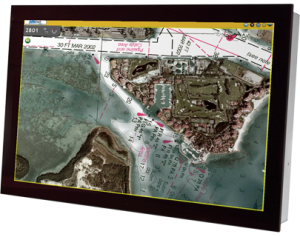
For centuries, paper charts served as the core navigational tool used by ship crews on their oceanic voyages. Until just over 15 years ago, it seemed that paper charts were completely impervious to the relentless technological evolution that was taking place around the globe and in the shipping industry. Paper charts were essentially untouchable and irreplaceable mostly due to the fact that seafarers are strict creatures of habit. Given the need for optimal expediency, convenience, and accuracy when navigating oceanic voyages, however, the move to paperless navigation of ships seemed inevitable. Enter the use of the state-of-the-art electronic chart display and information system (ECDIS), which has dominated the industry over the past few years.

Advanced Marines computers, monitors, and displays require high resolutions, quick response times, and other important features that can only be offered by the ECDIS. 

Here are some of the benefits of having this dynamic technology aboard your ship for your next minor or major mission.

Availability and Quick Adjustability

Although Marines operations and voyages are well planned and thoroughly mapped out, sometimes new circumstances can develop unexpectedly. Paper chart navigation systems required Second Mates on ships to address chart catalogues that would sometimes arrive at the last minute. If the chart catalogues arrived late, then the entire mission would be delayed or potentially compromised. 

Paperless navigation of ships allows Second Mates to use a digital voyage planner to roughly plot out the course of the ship and make necessary changes along the way. Paper chart requests are quickly emailed by the Master to the chart supplier, at which point activation codes will be provided within minutes.

Speed and Accuracy

Switching to ECDIS navigation allows for greater speed and accuracy when mapping out a Marines mission. The voyage planner can automatically input waypoints into the system using an excel document. Those waypoints are then incorporated into various data reports such as Distance Covered, Distance to Go, and Average Speed without having to manually enter it in.

Navigational Efficiency

Traditional paper charts take a great deal of time and effort to plan, create, and coordinate with the rest of the crew members. Paperless navigation of ships using ECDIS essentially eliminates the need to implement chart corrections while the voyage is in progress.

Chart corrections are a meticulous task that requires the utmost precision and can take up a great deal of time. With ECDIS, course updates can be made and uploaded into the system immediately and as often as necessary. The margin for error is greater because of the availability of this technology.

Real-Time Alerts and Safety Features

ECDIS allows vessel positions and voyages to be tracked in real-time, so that enhanced safety features can be used to immediately alert crew members of potential threats such as choppy waters, incoming storms, and other dangerous events.

Nauticomp Inc. is the single largest and most reputable supplier of high-tech reliable Marines LCD displays in North America. Visit our website or contact us today to learn about our Marines displays, computers, monitors, and other devices. 

Is Your Military Display in Compliance with Environmental Standards?

Posted on: June 7, 2021

Military Display in Compliance with Environmental StandardsCustom military LCD displays should be equipped to handle all kinds of environmental elements that Mother Nature has to offer. After all, military applications typically require a great deal of outdoor time dealing directly with natural elements like sandstorms, heavy winds, rain, snow, sleet, and extreme temperatures. Military personnel can’t control the type of climate they’re exposed to, so it’s important to have reliable and durable equipment that can withstand virtually any type of operational conditions, especially when going on covert missions in remote locations.
When the time comes to invest in new displays or upgrade components of existing ones, it’s important to consider what specific features are most suitable for the military operations at hand.

Durability, versatility, and flexibility are obviously top priority—especially when embarking on long-term missions in top secret locations. To ensure that your troops are getting the most out of their devices, you have to choose a brand and make that you trust.

Why Your Military Display Should Be Compatible with Environmental Standards

Environmental standards for military displays typically adhere to MIL-STD, also known as MIL-SPEC or MilSpecs. This is the standard of defense in the United States and all military LCD displays and monitors must comply with it in order to be deemed operational and fit to be used in the line of duty or on certain missions that entail exposure to harsh environmental conditions.

Factors to Consider when Choosing a Military Display That Can Withstand Different Environmental Conditions

Thorough planning and preparation is the key to achieving a successful military mission. Knowing the objectives of the mission inside and out is also extremely important as this will play a significant role in determining the types of features that your operation requires. Once you’ve determined the types of LCD display and monitor features you require, you can obtain the proper equipment to meet the environmental standards of your mission.

Here are some common military display and monitor features to consider for various applications.

Temperature Conditions and Fluctuations

Military life can take you to some truly remote and sometimes exotic destinations all over the world. That’s not to make it sound like a vacation, but it’s just a part of the job. Depending on where you’re stationed, temperatures can range from extreme heat to extreme cold. In some cases, severe temperature fluctuations can occur on a daily basis. As a result, you need to make sure you’re well equipped with military LCD displays that are designed to handle all kinds of extreme temperature and weather conditions without hindering performance levels.

Moisture and Debris

High moisture levels and debris are common elements that many military personnel are forced to contend with on a daily basis while on specific missions. High moisture levels and debris present a great deal of operational challenges for electronic devices under these circumstances. As a result, military-grade LCD displays need to be designed to handle condensation, rain, and high humidity levels as well as exposure to dust and sand to ensure the success of the mission without any delays.

Make sure your device has a minimum IP67 rating as this indicates its ability to withstand long periods of water and dust exposure.

Performance Capabilities

Military operations require high performance standards from their LCD devices and monitors. That typically includes an exceptionally long battery life, sunlight readability in extremely bright conditions, brightness adjustability in dark conditions, data interpretation, communication standards, and shock resistance, and so much more.

Specific performance capability standards of your devices depend on the nuances of your mission, so it’s important to have a full understanding of your needs when selecting devices.

Extreme Shock and Constant Vibrations

Military operations and missions can often entail particularly stressful situations in unsafe environments. Devices must be able to sustain high levels of stress, shock, and vibrations to ensure the success of the mission. Device failures or malfunctions in these types of high-stress situations could lead to communication breakdowns and security breaches that could jeopardize the entire mission. As a result, military LCD devices and monitors must be built to be shock- and vibration-resistant under all circumstances.

Multiple Power Input Options

One of the main challenges of working on a remote military mission is finding adequate power input options and supplies for your devices. Hence, military LCD displays and monitors need to be equipped with long-lasting, low power consumption options that continuously support high performance capabilities at all times. Power fluctuations such as over and under-voltage, short circuiting, load dumps, and reverse polarity can also pose potentially serious and difficult obstacles for your military mission. Devices with multiple power input options can overcome and even avoid these challenges.

Electromagnetic Interference

Also known as radiofrequency interference, electromagnetic interference (EMI) is classified as a system malfunction as a result of a disturbance or blockage by an external source. High-efficiency state-of-the-art military LCD displays should be able to counteract and prevent the effects of EMI by actively controlling the amount of interference caused by often unidentified radiofrequencies in their general vicinity. EMIs don’t just disrupt your military mission, but they can also lead to serious data and security breaches that compromise the covert positions of military personnel and leak important information to opposing parties.

Look for a Reputable Manufacturer

Choose a highly reputable and responsive manufacturer that specializes in designing and distributing state-of-the-art military-grade electronic devices. That way, you can have peace of mind in knowing that you’re getting high-quality devices that meet your needs. Consider their customer service capabilities as well. You’ll want to partner with a manufacturer that’s easy to get a hold of, answers all of your questions in a timely manner, and provides you with additional support when you need it.

When military operations in the United States and Canada are in need of high-quality, durable, and dependable military LCD displays and monitors, there’s only one name they trust: Nauticomp Inc. We design and manufacture custom military displays that are capable of meeting your every need and withstanding a wide range of environmental elements and standards. Contact us today to learn more or to place your order.

What Are Some Pros and Cons of TFT Displays?

Posted on: May 26, 2021

Industrial Panel Mount LCD Displays and MonitorsLCD (liquid crystal displays) monitors are available in a variety of modern configurations. Perhaps the most high-tech version of LCDs to rise to prominence in recent decades is the TFT display. Read about the pros and cons of TFT display technology in this article, so that you can make an informed decision about whether or not this is a suitable option for your specific application and project needs.

Features of TFT Displays

TFT stands for thin-film transistor, which means that each pixel in the device has a thin-film transistor attached to it. Transistors are activated by electrical currents that make contact with the pixels to produce impeccable image quality on the screen. Here are some important features of TFT displays.

  • Excellent Colour Display.Top notch colour contrast, clarity, and brightness settings that can be adjusted to accommodate specific application requirements.
  • Extended Half-Life. TFT displays boast a much higher half-life than their LED counterparts and they also come in a variety of size configurations that can impact the device’s half-life depending on usage and other factors.
  • TFT displays can have either resistive or capacitive touch panels.Resistive is usually the standard because it comes at a lower price point, but you can also opt for capacitive which is compatible with most modern smartphones and other devices.
  • TFT displays offer exceptional aspect ratio control.Aspect ratio control contributes to better image clarity and quality by mapping out the number of pixels that are in the source image compared to the resolution pixels on the screen.
  • Monitor ghosting doesn’t occur on TFT displays.This is when a moving image or object has blurry pixels following it across the screen, resembling a ghost.
  • TFT displays are incredibly versatile.The offer a number of different interface options that are compatible with various devices and accommodate the technical capabilities of all users.

Types of TFT LCD Technology

There are two main types of TFT LCD displays:

  • · Twisted nematic TFT LCDs are an older model. They have limited colour options and use 6 bits per each blue, red, and green channel.
  • In-plane switching TFT LCDs are a newer model. Originally introduced in the 1990s by Hitachi, in-plane switching TFT LCDs consist of moving liquid pixels that move in contrast or opposite the plane of the display, rather than alongside it.

Pros of TFT Displays

  • Minimal energy consumption
  • Sharp visibility
  • Excellent physical design
  • Fast and accurate response time
  • Minimizes eye strain
  • Space efficient design (can be placed anywhere in your workspace on a rotational mount so you can turn it in all directions)

Cons of TFT Displays

  • Higher price point than other displays
  • Disproportionate viewing angles
  • Restricted utility due to glass paneling (e.g., ineffective for outdoor use where glass can showcase glares from natural lighting)
  • Relies on backlighting to provide brightness rather than producing its own light, hence, they need built-in light emitting diodes (LEDs) in their backlighting structure

Factors to Consider when Selecting a TFT Display

The type of TFT LCD monitor or industrial display you choose to purchase will depend on the specifications of your application or project. Here are a few important factors to consider when selecting an appropriate TFT LCD display technology:

  • Life expectancy/battery life.Depending on the length of ongoing use and the duration of your project, you’re going to want to choose a device that can last a long time while maintaining quality usage.
  • Touch type and accuracy.What type of activities are you planning on using your device for? If it’s for extended outdoor use, then you should go with projected capacitive touch as this is more precise and accurate. Touch accuracy is important for industrial and commercial applications.
  • Response times.TFT displays typically have faster and more accurate touch response times and performance.
  • Image clarity.Some TFT displays feature infrared touchscreens, while others are layered. The former is preferable, especially in poor lighting conditions or for outdoor and industrial applications, because there’s no overlay and therefore no obstructions to light emittance.
  • The environmental conditions make a difference in operation and image clarity. When choosing a TFT for outdoor or industrial applications, be sure to choose one that can withstand various environmental elements like dust, wind, moisture, dirt, and even sunlight.

As a leading manufacturer and distributor of high-quality digital displays in North America, Nauticomp Inc. can provide custom TFT LCD monitor solutions that are suitable for a multitude of industrial and commercial indoor and outdoor applications. Contact us today to learn more.

Why Digital Signage Is Essential during COVID-19

Posted on: May 4, 2021

commercial monitorsOver the past year and a half, one topic that has been at the forefront of everyone’s minds in one capacity or another is COVID-19. Many businesses have suffered tremendous economic loss due to the economic downturn caused by on and off again lockdowns. To recuperate some of those losses and continue drawing customers in, businesses have had to get a little creative with their marketing techniques.

Incorporating digital signage into your business model during COVID-19 is a smart move that can help your business stay competitive and relevant during these difficult times and as society comes face to face with the new normal.

Digital Signage Is an Indispensable Tool during the Pandemic

Digital signage has always been an indispensable media and marketing tool that could be used to increase target audience outreach, build up brand recognition, and spread important brand messaging on a convenient and manageable series of platforms. We’re living in an age where information spreads at the speed of light. With that great power comes the responsibility to ensure that the information being presented is completely accurate at all times. The prospect of fake news and misinformation has been prevalent over the past few years. Through the use of commercial monitors and industrial LCD displays, you can control the narrative surrounding your brand’s story and the role your organization has to play.

How Digital Signage Can Revolutionize the Spread of Information in the New Normal

Digital signage is a growing and ever-evolving medium that can be used to safely provide information to the general public regarding COVID-19 and other business updates. Here are a few reasons why you should consider integrating state-of-the-art digital signage displays in your marketing strategy, if you haven’t already.

Share Important Information from Government Agencies

Municipal and federal government agencies have been working hard to provide up-to-the-minute accurate information regarding COVID-19 updates. As a business in the public eye, it’s your responsibility to aid in spreading information that could potentially inform and protect your employees and clientele.

Educate Customers and Employees

 Moreover, you can use digital signage and displays to educate your customers and employees about the latest health, safety, and sanitation protocols your organization has in place to ensure their well-being. This will give customers more peace of mind and encourage them to support your business.

Broadcast Information, Updates, and Alerts in Hospitals

As the pandemic continues, hospitals have become overrun with COVID-19 cases. It’s important to keep the public informed as much as possible with the latest developments in terms of required health and safety measures, vaccine availability, and hospital and medical center protocols. In addition to keeping people informed, digital signage in doctor’s offices and medical facilities also provide a source of entertainment as people wait for their appointments. Digital displays can also be remotely updated as new information and data becomes available.

Restaurants Can Share Contactless Digital Menus

Another benefit of digital signage is that it allows restaurants to encourage and enforce some physical distancing through the use of limited contact/contactless digital menus. Restaurants can install digital menu boards that allow customers to read through all menu items from a distance. Alternatively, restaurants can create unique QR codes that allow customers to digitally download the menus directly onto their phones without having to physically touch the device.

LCD Displays and Commercial Monitors in Department Store

Digital signage and content has played a pivotal role in the survival of the retail industry during the pandemic. Retailers have been striving to comply with basic health and safety guidelines that include enforcing physical distancing protocols, providing hand sanitizer, and asking customers to wear masks while shopping. LCD displays are crucial to the success of these efforts because they continually update customers and employees alike about the latest COVID-19 information by presenting local data, protocols, and store capacities.

Display Updates in Bus and Train Stations

Throughout the pandemic, public transit has been deemed an essential service. Part of the commitment to promoting safe travels and commuting for essential workers is to provide the public with up-to-the-minute transit route updates. This helps ensure that travellers are able to maintain a steady schedule, physically distance while using public transit, and it gives them peace of mind that their health and safety is taken into account.

Nauticomp Inc. is one of the leading designers, manufacturers, and distributors of enhanced commercial monitors and LCD displays in North America. Our robust line of products is built to last a long time and endure all kinds of weather and usage conditions. Contact us today to learn more or to place an order.