Rack Mounted Displays Suitable for Submarines

Posted on: December 14, 2022

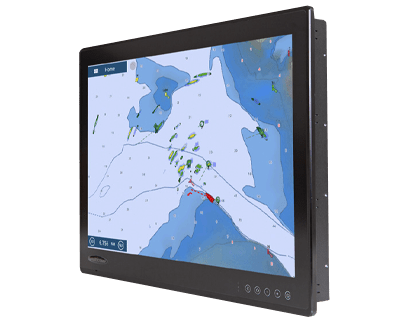
A rack mounted display is a type of computer monitor or display specifically designed to be mounted in a standard 19-inch rack. This type of display is often used for various technology-intensive environments, such as in data centers, network operations centers, and industrial control rooms. In the case of submarines, a rack mounted display can provide a compact and rugged solution for displaying important information and data to the crew.

One of the key benefits of using a rack mounted display in a submarine is that it allows for the efficient use of space. Because submarines are typically cramped and have limited room for equipment, a panel mount display can be a great way to conserve space while still providing the necessary information to the crew. Additionally, rack mounted displays are often designed to be rugged and durable, making them well-suited for use in the challenging environment of a submarine.

Another advantage of using a naval mount is that it can be easily integrated into the existing systems and equipment. For example, a marine LCD monitor can be easily connected to the submarine’s computer systems, allowing the crew to access critical information and data in real time. Additionally, rack mounted displays can often be configured and customized to meet the submarine’s and its crew’s specific needs.

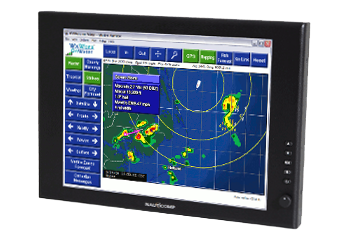
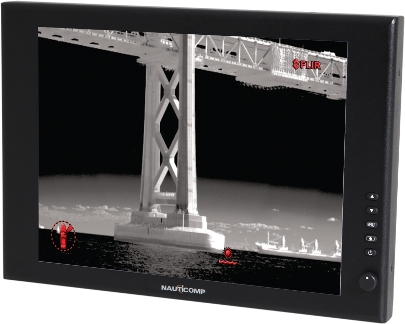
Here’s a look at some of Nauticomp’s marine monitors.

Titan Commercial-Grade LED Displays
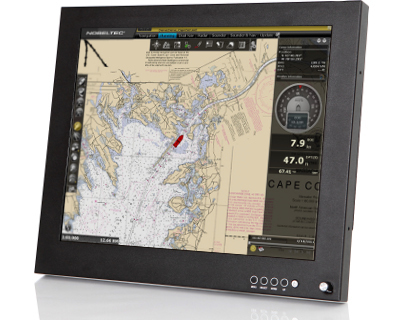
Titan Commercial Grade LED Display

Titan commercial-grade displays are now available at a price that won’t break the bank. Our different sizes and formats of flexible displays combine state-of-the-art features with user-friendliness, such as daylight readable LED backlight technology and multiple inputs. This product is well-designed for today’s professional customers, with several video inputs/outputs, speakers for audio alarms, and a potentiometer for total dimming to black—all housed in sturdy housing.

Displays from the Titan Series have proven reliable for years, inspiring faith in their wide audience; they are also type-approved and ready to be integrated into your IMO bridge systems.

[button link=”https://nauticomp.com/commercial-displays/titan-commercial-grade-led-display/” size=”large” target=”_blank” color=”orange”]Learn More[/button]

Genesis Series DisplaysGenesis Series marine display
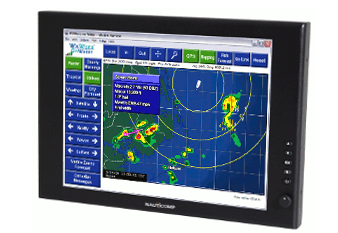
The Genesis series is a cost-effective marine LCD monitor that is waterproof. The 15″ and 19″ monitors include extremely efficient LED backlight technology and 2 inputs (1 DVI and 1 VGA) that combine state-of-the-art hardware with user-friendliness.

With this product, the customer may fit a larger display into a smaller area while still using Nauticomp’s well-known dim-to-red technology and sleek case design.

[button link=”https://nauticomp.com/outdoor-marine-displays/genesis-series-displays/” size=”large” target=”_blank” color=”orange”]Learn More[/button]

Signature II Series DisplaysLED Backlight Technology
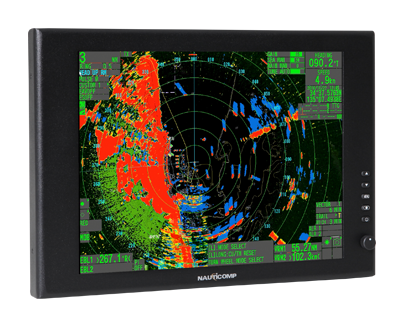
Displays from the Signature II Series are a reliable and cost-effective option for the Navy and the armed forces. The Signature II displays incorporate all the state-of-the-art technology available today, focusing on user-friendliness. This includes the latest in energy-efficient LED backlight technology. This newly redesigned device features our well-known dim-to-red technology on all inputs.

With today’s slimmer case design, users can fit a bigger screen into a smaller area, and a dial lets them adjust the screen’s brightness and contrast on the fly. The Signature II Series’ continued success is mostly because the 15″ and 19″ versions have three inputs: one DVI, one VGA, and one composite.

[button link=”https://nauticomp.com/outdoor-marine-displays/signature-ii-series-displays/” size=”large” target=”_blank” color=”orange”]Learn More[/button]

Nauticomp Passed Ingress Protection (IP) Testing
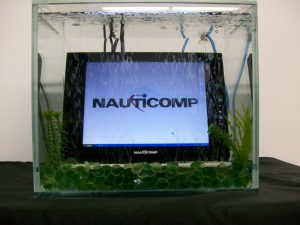
Nauticomp To Demonstrate Marine LED Display Waterproof Test

The degree to which electrical equipment is protected against the intrusion of solids and liquids is known as its ingress protection. There are two numbers for every IP rating. The first value indicates the object’s resistance to penetration by solids, from complete vulnerability to protect against dust particles. The second rating is for how well it holds up against liquids, from completely defenseless to completely impervious.

All Nauticomp displays are built and tested to an ingress protection level (IP) of 67. The 6 means the device is dustproof, while the 7 means it can be submerged in water for one minute at a depth of one meter. The display cases are completely impermeable because of how the aluminum housings are welded together inside.

Nauticomp maritime displays and their associated cables and connectors are built to an IP68 standard, the second number indicating that they can be submerged to a depth of three meters indefinitely.

Rack Mounted Display Installation Process/Guide

  • Attach the four VESA mount PEMS to the back of the screen to create the ‘Ram mount.’
  • Unscrew the massive wing nut and slide the ‘Ram mount’ arm over the pedestal ball to attach it to the bracket.
  • Nauticomp’s power supply requires input voltage wires (1) to be connected to the ship’s power supply (either 12, 24, 36 VDC, or 110 VAC, depending on the order). A positive input terminal is indicated by a red wire, while a black wire indicates a negative terminal. Make sure all connections are snug.
  • Join the screen’s power cable (2) to the wall outlet. Use the positive output terminal for the red wire and the negative terminal for the black wire. Make sure all the plugs are securely tightened.
  • Turn the connector so the LTW logo is not visible in the screen’s field of view. Connectors can be made more secure by pressing in and turning them in a clockwise direction. All the LTW round-ended cables should be treated similarly.
  • To check for a solid connection, gently tug on each cable.

Nauticomp Inc. provides world-class fully customizable touchscreen displays for commercial and industrial settings. With features like sunlight readability, brightness adjustability, infrared lighting, full backlighting, all-weather capabilities, etc., our displays are second to none. Contact us today to learn more.
Guide for Choosing the Best Marine Displays for Your Needs

Posted on: September 14, 2022

Marine LCD Monitors

If you’re in the market for a new marine display, you may be wondering what the best option is for your needs. With so many different types and brands of displays on the market, it can be difficult to know which one is right for you. In this article, we’ll discuss some of the factors you should consider when choosing a marine display, and we will recommend some of the best displays on the market for rugged and waterproof use.

Things to Know Before Buying Marine Displays

Before buying marine displays for your requirements, it’s important to consider the factors listed below:

Intended Use:

The first thing you’ll need to determine is how you plan to use your marine display. Are you looking for a display to use on your boat’s dashboard? Or do you need a portable display that can be used for navigation and other purposes?

Multifunction Display (MFD) or Marine Display:

MFDs are multi-functional devices that can include features like GPS, fish finders, and chartplotters. Marine displays are typically just for navigation purposes. If you need an MFD, you’ll want to look for one that has the specific features you need. If you just need a marine display, you can typically find one that’s less expensive.

Required Number and Size of Marine Displays:

You’ll also need to decide how many displays you need and what size you need them to be. This will depend on the size of your vessel and how much space you have to work with. If you have a larger vessel, you may need more than one display. If you’re just using your marine display for navigation, you may only need one small display.

Display Mounting and Installation:

Another important factor to consider is how you’ll be mounting and installing your display. Some displays come with mountings and brackets that make installation easy. Others may require more work to install. You may also need to purchase additional mountings or brackets separately.

Video Connection and Input Options:

You’ll also want to consider what type of video connection and input options you need. Some displays only have HDMI inputs, while others may have multiple input options, including VGA, DVI, and USB.

Touchscreen or Non-Touchscreen:

Some marine displays are touchscreen, while others are not. Touchscreen displays can be more convenient to use, but they may be more expensive.

Display Resolution:

Another important factor to consider is the resolution of the display. A higher resolution display will provide a sharper image.

Brightness:

Since marine displays will be used in outdoor conditions, it’s important to choose a display that is bright enough to be easily visible in direct sunlight. Look for displays that have a high nits rating, which indicates the amount of light the display can produce.

Sunlight Readability and Night Visibility:

It’s important to choose a display that you can see clearly, both in direct sunlight and at night. Many displays have anti-glare coatings and backlighting that improve visibility in all conditions.

Widescreen or Square Displays:

Marine displays come in both widescreen and square formats. Widescreen displays are typically better for navigation purposes, while square displays may be a better option for MFDs.

Marine Display Power Supply:

You’ll also need to consider the power requirements of your marine display. Some displays can be powered by a 12-volt battery, while others require a 110-volt power source.

Waterproof and Rugged:

Finally, you’ll want to make sure that your display is waterproof and rugged. Marine environments can be tough on electronics, so you’ll want a display that can withstand the elements.

Nauticomp’s Best Rugged Marine Displays

Now that you know what factors to consider when choosing a marine display, let’s take a look at some of our best rugged marine displays.

Glass Bridge Elite

Glass bridge elite


The Glass Bridge Display is a multi-functional device that has eight source inputs. Each input can be easily controlled through the external GB Commander keypad. The user can either select inputs manually or set the controller for auto selection. Additionally, they have the ability to view any source in a PIP window and adjust its transparency using our unique “Alpha Blend” feature. The 12”, 15”, and 19” models are available in both Daylight and Sunlight variants, each with their own respective three-year limited parts warranty.

[button link=”https://nauticomp.com/outdoor-marine-displays/glass-bridge-elite/” size=”large” target=”_blank” color=”orange”]Learn More[/button]

Signature II Series

LED Backlight Technology

The Signature II Series line of displays from Nauticomp provides an economical, rugged solution for both marine and military applications. These displays are newly updated with highly efficient LED backlight technology and include dim to red technology on all inputs. They also feature a slim case design that makes them ideal for use in more confined spaces, as well as a dial that allows you to easily control the increased dimming and brightness settings. The 12”, 15”, and 19” models in the Signature II Series come with a combination of six inputs, 1 DVI, 2 VGA, and three composites.

[button link=”https://nauticomp.com/outdoor-marine-displays/signature-ii-series-displays/” size=”large” target=”_blank” color=”orange”]Learn More[/button]

Genesis Series

sunlight readable monitor

The Genesis Series displays are tough and affordable for both marine and military purposes. With highly efficient LED backlight technology and two inputs (1 DVI & 1 VGA), the 15” and 19” displays are the perfect combination of cutting-edge technology and user-friendly design. Nauticomp’s line of rugged displays contain dim to red technology and a slim case design that allows users to put a bigger display in a smaller space. They are also available with touchscreen technology.

[button link=”https://nauticomp.com/outdoor-marine-displays/genesis-series-displays/” size=”large” target=”_blank” color=”orange”]Learn More[/button]

Hammer Display Series

night vision displays

Nauticomp has always been on the ball when it comes to dependable, long-lasting technology. When it comes to delivering reliable, user-friendly information displays, the Hammer Series is the front-runner for government agencies. The toughness of the Hammer’s design, image clarity, waterproof feature, and sunlight readability are all in high demand by today’s technical warrior. These displays have a multi-backlight NVIS/sunlight readable option that makes life easy for today’s technical soldier. COTS or custom-tailored configurations are Nauticomp’s specialty—on tried and tested components.

[button link=”https://nauticomp.com/commercial-displays/hammer-nvis-displays/” size=”large” target=”_blank” color=”orange”]Learn More[/button]

Contact Nauticomp to Learn More About Marine Displays

Nauticomp Inc. has over 25 years of experience designing, manufacturing, and selling the best marine displays on the market. Our team of experts is always available to answer any questions you may have and help you find the perfect display solution for your needs. Contact us today to learn more about our products and how we can help you take your business to the next level.

Understanding Weatherproof and Waterproof IP Ratings

Posted on: February 5, 2022

signature II series

Marine displays are frequently thrust into extremely harsh environmental conditions and sometimes dangerous situations. Waterproof displays that are capable of handling virtually any type of natural element have become the standard when it comes to developing state-of-the-art Marines technology. Outdoor weatherproof displays feature standardized IP ratings that indicate their level of ability to withstand exposure to moisture, dust, and dirt.

Born out of necessity for military and marines use, weatherproof display enclosures were once rare technological features. Now, they’re being used for a variety of devices including smartphones and tablets.

What Do IP Codes/Numbers Represent?

IP stands for Ingress Protection or International/Internal Protection mark. This is a standard internationally recognized rating system that indicates the performance of technological protective enclosures. IP ratings signify how effectively certain technological devices are protected against various external elements such as dust, moisture, and dirt.

Once these elements infiltrate the internal mechanisms of electronic devices, they can cause serious damage and render the device ineffectual or damaged beyond repair. The International Electrical Commission dictates the global standard for rating the performance of these protective enclosures. IP ratings consist of two digits that represent different characteristics:

  • The first number indicates the level of solid particle (e.g., dust, dirt, crumbs, etc.) protection the enclosure provides
  • The second number indicates the level of liquid particle (water droplets, water submersion, spilled drink, etc.) protection the enclosure provides

What Is an IP68 Waterproof Display Rating?

An IP68 waterproof rating is the very highest standard for any device. IP68 enclosures offer total protection against the ingress of any type of foreign substances. Six is the top of the scale for protection against solid particle ingress and 8 is the highest level of protection against liquid ingress.

What Is an IP65 and IP53 Rating?

Certain devices can have multiple IP ratings. These ratings indicate that the devices were tested for numerous different types of weather and environmental conditions. Each rating indicates the enclosure’s protective performance in those specific environments. An IP68 rating indicates that a device can handle being submerged in water that’s deeper than one meter.

If a device also has an IP65 rating, this indicates that it can also withstand being sprayed by a liquid or exposed to heavy rain and other wet conditions. An IP53 rating is significantly lower in both regards. These devices are mostly resistant to debris and dust, but they have fairly low resistance to contact with liquid.

What Are Some Applications for IP68 Enclosures?

Since IP68 enclosures are classified as completely waterproof computer monitors, this makes them the ideal choice for virtually any type of extremely demanding outdoor applications.

As a result, Marine and military waterproof LCD monitors are typically required to have a standard IP68 rating to ensure safe and effective operation at all times.

Other uses and applications can include:

  • Devices that are used in areas with high risk of flooding or moisture exposure
  • Water treatment facilities
  • Devices that are primarily for any type of outdoor use

Nauticomp Inc.’s Waterproof and Weatherproof LCD Monitors for the Marine Industry

Nauticomp Inc. is one of the leading suppliers of high-quality, reliable, and durable Marine and military-grade outdoor weatherproof and waterproof displays. We have a range of outdoor weatherproof displays such as the Glass Bridge Elite, the Signature II Series, and the Genesis Series that are always prepared for the task. Contact us today to learn more about our products and how they can enhance your mission.

Obstacles Faced by Engineers when Designing Marine LCD Displays

Posted on: October 29, 2018

The rough and tough marine lifestyle isn’t always conducive to sustaining electronics. Excessively extreme temperature variations, not to mention the severe and constant threat of heavy exposure to sunlight, seawater, snow, and other potentially harmful elements can damage insufficiently protected LCD displays. These are just some of the numerous challenges faced by engineers who are responsible for designing and constructing solid marine LCD displays that could potentially make or break the success of each mission.

Marines need technology that’s dependable even in the worst possible weather and circumstantial conditions. When it comes to developing an LCD marine display, there are a few important factors that engineers need to keep in mind.

Sunlight Readability and Waterproof Features

Since marines spend an immeasurable amount of time at sea or working outdoors, they need to be able to rely on the readability and maintenance of their devices at all times, including when they’re exposed to a great deal of sunlight and water. Working conditions for marines can be vastly unpredictable and therefore they need to be able to make suitable adjustments whenever the moment calls for it. Adjusting the brightness on the screen to suit the specific time of day and the amount of sunlight exposure is essential and so is preventing water or other liquids from penetrating the surface of the device and causing internal damages that could also lead to personal injuries.

Capability to Control Exposure to Thermal Energy

Since these devices are most likely going to spend extended hours being exposed to the strong UV rays of the sun, it’s important that they inhabit features that can help them control their internal thermal energy production and absorption. High ranking marine corps officers should go to great lengths to ensure that all of the displays used by their crew come equipped with strong UV resistant overlays that can protect the devices from the harmful rays of the sun and prevent them from overheating due to overuse. Keep in mind that these devices are constantly in use and therefore, their internal temperatures need to be neutralized at all times.

High-Quality Optical Bonding Materials

Optical bonding is a multilayered protective glass that acts as a shield for devices that are primarily intended to be used in harsh outdoor conditions, which makes them perfect for daily marine operations. After all, one of the greatest challenges engineers must compete against when designing and creating these devices is finding a way to make them last for a long period of time. Strong optical bonding materials and adhesives can prevent damages caused by rough usage, blunt objects coming into contact with the screens, and inclement weather conditions.

As one of the world’s leading marine display technology designers, developers, and distributors, Nauticomp Inc. has built completely customized touchscreen monitors and displays for businesses across numerous industries. From retail, restaurant, construction, and medical companies to the armed forces and marine corps, we have over 20 years of experience producing the highest quality displays. To learn more about our products or place an order, please contact us today.

Why Are Marine LCD Monitors So Vital?

Posted on: November 6, 2017

Specialized and ruggedized marine computers are an essential, if not mandatory, aspect of marine navigation systems for the sole reason that they have the ability to withstand all of the immensely harsh environmental and weather conditions that are inherently part of being on a naval vessel. Exposure to a combination of various elements, most notably strong winds and water, is inevitable which means that these machines need to be heavily equipped with adequate protective measures in order to prevent potentially detrimental and costly damages. For that reason, marine LCD displays are usually built with more durable and industry-specific materials and features. Countless potentially harmful elements are constantly lurking around every corner on naval vessels and it’s important to protect your assets adequately by not only being prepared for the worst conditions but also knowing how to navigate them successfully.

Unique Features and Technologies Used in Marine Displays

When it comes time to select high-quality and suitable marine LCD monitors for your naval base or ship, it makes sense to go with a model that’s highly revered within the industry. At the end of the day, system reliability and durability are integral determining factors between completing a successful mission and suffering a debilitating system malfunction. With that in mind, you need to always remain ten steps ahead of the game and plan for the absolute worst case and presumably unpredictable scenarios.

Basically, you need to always expect the unexpected for the safety and proficiency of your crew. Provide them with the appropriate tools so that they’re fully prepared to handle all kinds of potentially dangerous situations without question. This is a strong demonstration of your leadership skills and your crew will respect and look up to you more for implementing these practices. The following is a list of vital and unique features that all marine displays should contain to ensure long-lasting functionality:

Waterproofing and Anodizing

Waterproofing and anodizing all of your electronic equipment either inside or on the outside of your marine vessel is a given because at one point or another, exposure to large amounts of salt water is unavoidable. As salt water rises and becomes heavily concentrated in the air, it makes direct contact with all pieces of machinery on your vessel. On top of that, ships also have a tendency to encounter extremely turbulent water conditions, which means that salt water will eventually make its way on deck and come into direct contact with your machinery. Purchasing and installing anodized equipment is the best way to protect any metal displays from premature corrosion.

Direct Sunlight Screen Readability and Brightness Adjustability

Even the most basic commercial- and industrial-grade monitor models come with controls that allow users to adjust the brightness on their screen by making it either lower or higher. The brighter the sun shines during the day, the brighter your screen needs to be in order to combat the blinding effects and allow for proper readability. Conversely, at night when visibility is at an all-time low, crewmembers should have the ability to lower the backlighting on their displays to the lowest point possible in order to create a sharper and more easily readable image. Marine monitors require are more heightened level of screen readable navigation than other types of computer displays to ascertain that all digital maps and other data are correctly and accurately interpreted and documented at all times. This will in turn reduce the risk of mistakes being made and decrease the chances of your ship or members of your crew going AWOL.

Optical Bonding

Optical bonding works in tandem with direct sunlight readability and screen brightness and contrast adjustability. It’s the process of connecting two lightweight layers of glass screens together using a translucent bonding agent, is the optimal method used to prevent strong reflective glares from occurring and hindering your screen readability. Sunlight readability and colour adjustment options also allow your individual crew members to adjust the screen specifications according to their specific requirements and comfort level to create optimal usability.

Route Planning and Reliable Navigation

Considering the fact that marine computers are specifically designed for consistent and round-the-clock usage, it’s important that they’re equipped with reliable and fail-safe route planning and navigation capabilities. This feature could be the difference between life and death in some high stake on-the-water situations, especially at night when visibility is at an all time low. Naval crews rely completely on their radar monitors to help them navigate carefully planned out routes all throughout the year, regardless of harsh climate conditions. This means that these systems need to be able to withstand and absorb high levels of shock and vibration to which they’ll undoubtedly be subjected.

Dependable Power Sources and Connections

Due to the ever-changing nature of environmental conditions as well as constant usage, the strength of the power connections and sources on naval vessels needs to be at an all-time high. Consider the fact that numerous crew members will be using the power connections simultaneously at any given time for varying purposes, not to mention the fact that external climate conditions aren’t always ideal. Inclement weather conditions coupled with dodgy waves that can cause the vessel to become awash can all contribute to compromising your crew’s power connections which can make for dangerous working conditions. For that reason, you need to take the proper precautions to safely fasten all of your power sources, cords, and connections in order to implement strong shock and vibration absorption and prevent them from loosening under harsh conditions.

Nauticomp Inc. expertly designs, manufactures, and distributes custom high-end and durable industrial marine LCD displays to meet the personalized standards of your crew. Having been in the business for over 20 years, we proudly stand behind the quality and longevity of all of our products which are built with expert craftsmanship, style, and usability. To learn more about our company and products, or to place an order with us, please contact us.